
Archives by date

You are browsing the site archives by date.

Recipe: Lentil Pasta with Roasted Cauliflower Cream Sauce

Recipe: Lentil Pasta with Roasted Cauliflower Cream Sauce

This comforting, protein-rich pasta is made entirely from scratch using lentil flour (or any legume flour of your choice), making it naturally gluten-free and packed with fiber. The roasted cauliflower sauce is silky, savory, and lightly sweet from caramelized onion and garlic, with a touch of nutmeg for warmth. It’s a nourishing dish that feels indulgent while staying wholesome.

Ingredients

For the Lentil Pasta

2 cups red lentil flour (or any legume flour)

2 large eggs

1–2 tablespoons oil

2–4 tablespoons water (as needed)

½ teaspoon salt

For the Cauliflower Sauce

1 large head of cauliflower, cut into large florets

1 large onion, cut into large chunks

1 whole head of garlic, top trimmed

1–2 tablespoons olive oil

2 tablespoons cream cheese

¼ teaspoon ground nutmeg (or to taste)

Salt and black pepper to taste

Instructions

1- Preheat the oven to 400°F (200°C). Place the cauliflower florets, onion chunks, and the whole head of garlic on a baking sheet. Drizzle with olive oil and toss lightly. Roast for about 30–40 minutes, or until the vegetables are tender and lightly golden.

2- While the vegetables roast, prepare the pasta dough. In a large bowl, combine the lentil flour and salt. Make a well in the center and add the eggs and olive oil. Begin mixing with a fork, gradually incorporating the flour. Add water if necessary, a little at a time, until a soft but firm dough forms.

3- Transfer the dough to a lightly floured surface and knead until smooth.

4- Roll the dough into long ropes about ¾-1 inch thick. Cut into small, bite-sized pieces. Gently press lightly each piece in the center with your thumb to create a small indentation, forming a gnocchi shape. Lightly dust with flour to prevent sticking.

5- Once the vegetables are roasted, squeeze the softened garlic cloves out of their skins. Transfer the cauliflower, onion, and garlic to a blender or food processor. Add the cream cheese, nutmeg, salt, and pepper. Blend until completely smooth and creamy.

6- Bring a large pot of salted water to a boil. Cook the fresh lentil pasta for about 2–4 minutes, or until tender but still firm. Fresh legume pasta cooks quickly, so watch it closely.

7- Reserve a small cup of pasta cooking water, then drain the pasta. Toss immediately with the cauliflower sauce, adding a bit of the reserved water if needed to loosen the sauce and help it coat the pasta evenly.

8- Serve warm, optionally topped with grated Parmesan.

Nutrition facts per serving (1 large bowl, 350 g, 12.3 oz):

Calories 412 kcal, Fat 14.8 g, Saturated Fat 3.8 g, Carbohydrates 46.2 g, Dietary Fiber 12.1 g, Sugars 6.4 g, Protein 24.5 g, Sodium 385 mg, Calcium 122 mg, Iron 6.4 mg, Potassium 915 mg, Vitamin C 68.2 mg.


Why Your Body Needs Both Cardio AND Strength Training

Why Your Body Needs Both Cardio AND Strength Training

When most adults think about exercise, they usually picture one of two things: lifting weights or doing cardio.

But the human body was designed to benefit from both anaerobic and aerobic exercise, and when these two systems work together, the results can be powerful for fat loss, muscle health, metabolism, and long-term fitness.

Consider this, 

Your Body Uses Two Energy Systems 

Your body uses different energy systems depending on the intensity and duration of activity.

Aerobic exercise uses oxygen to produce energy. These activities tend to last longer and are performed at a moderate pace.

Examples include:

  • Brisk walking
  • Jogging
  • Cycling
  • Swimming
  • Rowing
  • Hiking
  • Dance fitness classes

Aerobic training strengthens the heart, lungs, and circulatory system. Over time, it improves the body’s ability to deliver oxygen to working muscles. This leads to increased endurance and improved metabolic health.

Research consistently shows aerobic exercise can:

  • Improve cardiovascular health
  • Reduce blood pressure
  • Increase calorie expenditure
  • Improve insulin sensitivity
  • Support long-term fat loss

But that’s only half the story.

The Power of Anaerobic Exercise

Anaerobic exercise relies on energy stored in the muscles rather than oxygen. These activities are higher intensity and performed in shorter bursts.

Examples include:

  • Strength training
  • Sprinting
  • Kettlebell training
  • Bodyweight circuits
  • Plyometrics (jump squats, box jumps)
  • Battle ropes
  • Hill sprints 

During anaerobic training, the body recruits fast-twitch muscle fibers and stimulates muscle protein synthesis. This helps build strength and preserve lean muscle mass.

Anaerobic training helps:

  • Build muscle
  • Increase bone density
  • Improve metabolism
  • Enhance power and speed
  • Maintain functional strength as we age

Adults who strength train regularly tend to have higher resting metabolic rates, meaning they burn more calories even at rest.

Why Combining Both Works Best

When aerobic and anaerobic exercise are combined, they support each other.

Aerobic exercise improves recovery and endurance.
Anaerobic training builds muscle and metabolic strength.

Together they help create a body that is:

  • Strong
  • Energetically efficient
  • Resistant to injury
  • Better at burning fat

This is why the most effective long-term fitness programs include both cardio and strength training throughout the week.

Now it’s your turn 

5-Day Preparation Challenge

Before jumping into an intense training program, it helps to prepare both your mind and your environment for consistent exercise. This 5-day preparation challenge is designed to set you up for success.

Day 1 – Clarify Your Goal
Write down your primary health or fitness goal. Make it realistic and meaningful. Focus on things like improving strength, increasing energy, or building endurance.

Day 2 – Prepare Your Environment
Lay out workout clothes, organize your training space, or pack your gym bag ahead of time. Reducing friction makes it easier to follow through with workouts.

Day 3 – Plan Your Training- Schedule
Choose the specific days and times you will train each week. Even two to four scheduled sessions can build powerful consistency.

Day 4 – Fuel Your Body
Focus on nutrition that supports exercise. Prioritize balanced meals that include protein, whole carbohydrates, healthy fats, and proper hydration.

Day 5 – Commit to the First Week
Promise yourself that you will complete your first week of training without overthinking it. The goal is not perfection, but showing up and beginning the process.

Call to action 

The bottom line, your exercise success rarely starts with the perfect workout. It begins with preparation, intention, and a willingness to build habits gradually.

When aerobic and anaerobic training are combined and supported by consistent habits, they help create a body that is stronger, healthier, and better prepared for the demands of everyday life. If you need help developing an aerobic and anaerobic training program that yields results DO reply to this email or text us at 732-314-3086 and we would be happy to get you started.


Recipe: Carrot–Turmeric Protein Humm us (Vegan)

Recipe: Carrot–Turmeric Protein Humm us (Vegan)

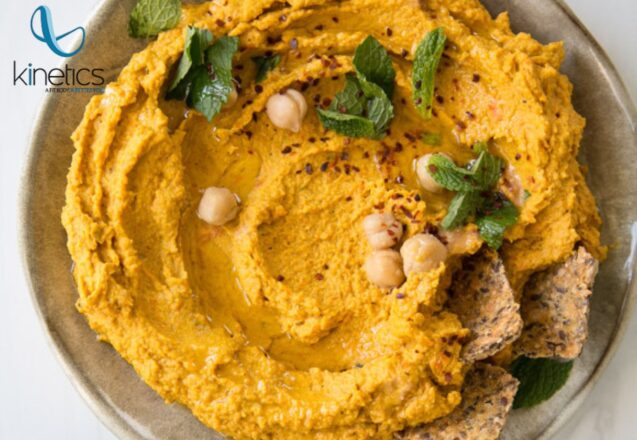
This roasted carrot hummus is a vibrant and healthy twist on the classic chickpea dip, offering a beautiful golden hue and a subtle sweetness from caramelized vegetables. It is a protein-rich, creamy snack that works perfectly with crackers, fresh veggies, or as a spread for sandwiches and flatbreads.

Ingredients

1.5 cups cooked chickpeas

2 medium carrots

4 cloves garlic

2 tablespoons tahini

1 teaspoon turmeric powder

2 teaspoons lemon juice

1 teaspoon cumin

5 to 6 tablespoons extra virgin olive oil

¼ cup water or chickpea cooking liquid

Salt and pepper to taste

Instructions

1. Preheat your oven to 200C (400F) and peel the carrots.

2. Place the carrots and garlic cloves on a baking sheet, tossing them with a tablespoon of olive oil, salt, and pepper.

3. Roast the vegetables for about 20 minutes or until they are tender and cooked through, then allow them to cool.

4. Transfer the roasted carrots and garlic into a food processor or blender.

5. Add the chickpeas, tahini, lemon juice, turmeric, cumin, the remaining olive oil, and the water or chickpea liquid to the processor.

6. Blitz the mixture until it reaches a completely smooth and creamy consistency.

7. Check the thickness of the hummus and add a little more water or oil if it feels too dense.

8. Taste the hummus and add more salt or lemon juice if needed before serving.

Nutrition facts per serving (60 g, ¼ cup):

Calories 148 kcal, Fat 10.2 g, Saturated Fat 1.4 g, Carbohydrates 11.3 g, Dietary Fiber 3.0 g, Sugars 1.6 g, Protein 3.2 g


Why and How to Reduce Sugar Intake

Why and How to Reduce Sugar Intake

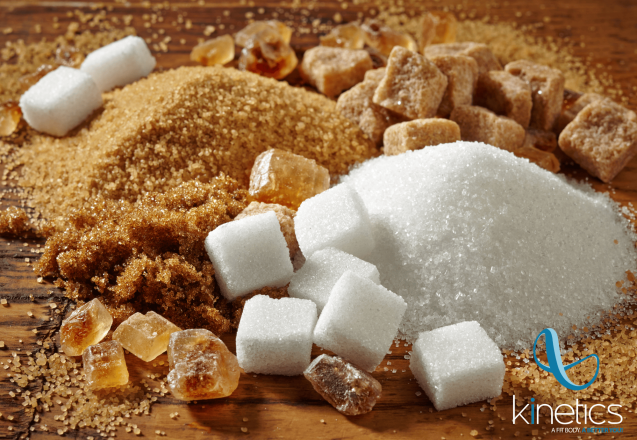
Sugar isn’t the enemy — but it’s incredibly easy to consume far more than our bodies are designed to handle. From sweetened drinks and flavored yogurts, to sauces, breads, and “healthy” snack bars, added sugars sneak into places we don’t expect.

Over time, consistently high sugar intake can impact not just body composition, but also energy levels, mood, focus, and overall metabolic health. 

But small, intentional changes can create powerful results.


Why Reducing Added Sugar Matters

Your body uses carbohydrates (including sugars) as a source of energy. The issue isn’t sugar itself — it’s excess added sugar and how quickly it floods the bloodstream.

When we consume large amounts of added sugar, our body experience blood sugar spikes and dips that translate in:

  • Energy crashes and fatigue
    • Increased hunger and cravings

Large amounts of added sugar consumed regularly can lead to:

  • Difficulty managing body weight
    • Increased inflammation
    • Greater risk of insulin resistance and type 2 diabetes
    • Higher risk of heart disease

Think of your blood sugar like a roller coaster. Large doses of added sugar send it climbing fast — and crashing just as quickly. Reducing added sugar helps smooth the ride, keeping your energy more stable throughout the day.

The Food Matrix Also Matters

The physical structure in which sugar is found. When sugar is naturally packaged within whole foods (like fruit, beans, or whole grains), it comes bundled with fiber, water, and other nutrients that slow digestion and absorption. This leads to a more gradual rise in blood sugar.

In contrast, free or added sugars (such as those in soda, candy, syrups, and many packaged foods) are rapidly absorbed because they lack fiber and structure. This fast absorption is what drives sharp spikes and crashes.

Same sugar. Very different metabolic impact.


Where Sugar Hides

Some of the biggest contributors of added sugar include:

  • Sugary beverages (soda, sweet tea, energy drinks, sweetened coffee drinks)
    • Breakfast cereals and granola
    • Flavored yogurt
    • Protein bars and packaged snacks
    • Condiments like ketchup, BBQ sauce, and salad dressings
    • Baked goods and desserts

Many of these don’t taste “sweet,” which makes them difficult to detect and easy to overconsume.


What Happens When You Cut Back

Lowering added sugar doesn’t mean giving up pleasure or flavor. It often leads to:

  • More stable energy
    • Fewer intense cravings
    • Improved focus and mental clarity
    • Better appetite control
    • Healthier relationship with food
    • Improved recovery and training performance

You’re essentially teaching your body to rely more on steady fuel sources rather than quick hits.

So then…

How to Reduce Sugar Intake (Without Feeling Deprived)

You don’t need perfection. Start with progress.

  1. Drink your sugar less
    Swap soda and sweetened beverages for water, sparkling water, unsweetened tea, or black coffee. This single change can dramatically reduce daily sugar intake.
  2. Read labels
    Look for “added sugars” on nutrition labels. Lower is better. In the Ingredients list, be aware of alternative names like corn syrup, cane sugar, maltose, dextrose, concentrated grape juice and rice syrup.
  3. Tame the sweet tooth strategically
    Instead of eliminating sweets entirely, try reducing portion sizes or frequency. Pair sweets with a meal rather than eating them alone.
  4. Retrain your taste buds
    Over time, cutting back sugar makes overly sweet foods taste too sweet and less appealing. Your palate adapts faster than you think.


Now it’s your turn

This week:

1- Replace one sugary drink per day with water or unsweetened tea.

2- Pick one packaged treat you already have at home and, before digging in, read the label. Look for sugar and sugar alternatives in the ingredients list, and find the Added Sugars line on the Nutrition Facts panel.
Now you know how to identify this information quickly — so next time you’re at the store, you can scan labels with confidence and make more informed choices about what you’re buying 😉.


Call to Action

At Kinetics NJ, we know that nutrition and training work best together. If you’d like guidance on building habits that support your workouts, energy levels, and long-term health, reply to this email or text us at 732-314-3986. 

Our coaches specialize in creating personalized training and lifestyle strategies through Personal Training and Small Group Training so you can move better, feel stronger, and live with confidence — inside and outside the gym.


Recipe: Chicken Soup (Filling and Veggie-packed)

Recipe: Chicken Soup (Filling and Veggie-packed)

This chicken soup comes together quickly on a busy evening and uses basic ingredients you may already have on hand. It’s comforting, wholesome, and perfect for a weeknight dinner or using up leftover poached chicken.

Ingredients

1 Tablespoon olive oil

½ medium yellow onion, small dice

3 carrots, peeled and cut into ¼-inch coins

2 celery stalks and leafs, cut into ¼-inch slices

2 garlic cloves, minced

1 Tablespoon Italian seasoning

4 cups chicken or vegetable broth

1 cup warm water

1 (14.5 oz) can cannellini beans, drained and rinsed

2 chicken breasts

2 teaspoons kosher salt

Pinch of black pepper


Instructions

1. To poach the chicken, place the chicken breasts in a medium saucepan and cover with water or broth.

2. Bring to a gentle boil, then reduce the heat to low and simmer for 12–15 minutes, or until the chicken is cooked through and no longer pink in the center.

3. Remove the chicken from the liquid and let it cool slightly, then shred or cut into bite-sized pieces.

4. Heat a soup pot over medium heat. Add the olive oil, diced onion, carrots, and celery. Sprinkle with ½ teaspoon kosher salt and cook, stirring occasionally, until the onion is soft and translucent.

5. Stir in the minced garlic and cook until fragrant.

6. Pour in the broth and warm water, then add the shredded poached chicken and rinsed beans. Season with the remaining 1½ teaspoons kosher salt, Italian seasoning, and a pinch of black pepper.

7. Stir everything together, reduce the heat, and let the soup simmer gently for 10–15 minutes to allow the flavors to meld and the vegetables to soften.

Serve hot with crusty whole-grain bread

Nutrition facts per serving (1 bowl, 300 g, 10.6 oz):

Calories 260 kcal, Fat 5.4 g, Carbohydrates 20.8 g, Dietary Fiber 6.2 g, Sugars 6.5 g, Protein 28.3 g, Sodium 820 mg.